If you’ve noticed more hair in the shower drain, a widening parting, or thinning around the temples, you’re not alone. Hair loss affects millions of people across the UK, and the search for effective, non-surgical solutions has never been more active. One treatment generating significant interest is PRP Platelet-Rich Plasma often referred to as PRP hair boosters. But what exactly is it, does it work, and is it right for you?
Here’s everything you need to know.
What Are PRP Hair Boosters?
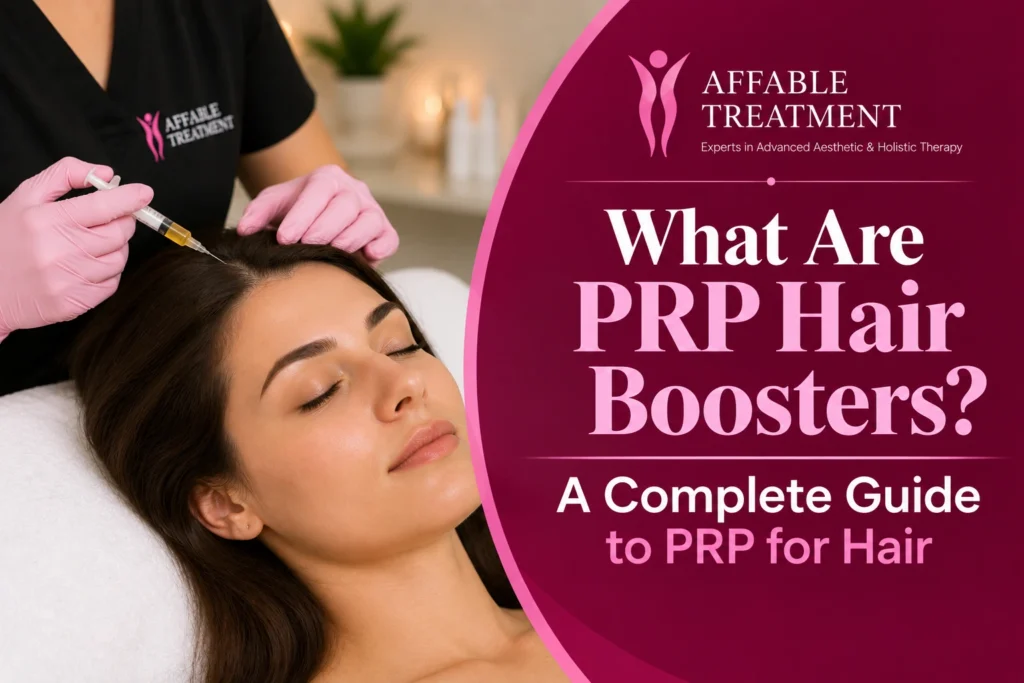
PRP hair boosters are a clinically informed treatment that uses your body’s own blood to stimulate hair follicle activity and encourage healthier, thicker hair growth. The treatment harnesses the natural healing and regenerative properties found in your blood’s platelets, tiny cells packed with growth factors that play a key role in tissue repair and cell renewal.
Rather than introducing foreign substances into the scalp, PRP works with your own biology, making it a popular choice for those seeking a more natural approach to hair restoration.
How Does PRP Treatment Work?
The process begins with a small blood draw, typically from the arm. The blood is then placed into a centrifuge, a machine that spins at high speed to separate its components. This isolation process concentrates the platelets into a potent, golden-coloured serum: the platelet-rich plasma.
This concentrated PRP is then carefully injected into targeted areas of the scalp where thinning or shedding is most apparent. The growth factors within the plasma stimulate dormant hair follicles, improve blood circulation to the scalp, and support the hair growth cycle encouraging follicles to move from a resting phase back into active growth.
Potential Benefits for Hair Thinning and Shedding
PRP hair boosters have shown promising results for individuals experiencing:
- Androgenetic alopecia (pattern hair loss in both men and women)
- Diffuse thinning across the scalp
- Excessive shedding linked to stress, hormonal changes, or nutritional deficiencies
- Postpartum hair loss
Many clients report improvements in hair density, reduced shedding, and an overall improvement in hair texture and thickness over a course of treatments.
Who May Be Suitable?
PRP is generally well-suited to adults in good overall health who are experiencing early to moderate hair thinning. It tends to be most effective when hair follicles are still active, the earlier the treatment is started, the better the potential outcome.
It may not be appropriate for those with certain blood disorders, active scalp infections, or those on blood-thinning medication. A thorough consultation is always essential before beginning any treatment.
What Does the Treatment Process Involve?
A typical PRP hair booster session takes around 60 to 90 minutes from start to finish. After the blood draw and centrifuge process, the PRP is administered via fine injections into the scalp. A topical numbing cream is often applied beforehand to keep the experience as comfortable as possible.
Most clients find the treatment very manageable and return to their normal daily activities the same day.
How Many Sessions Are Needed?
Results from PRP are gradual and cumulative. An initial course of three to four sessions, spaced approximately four weeks apart, is typically recommended. Maintenance sessions every three to six months can help sustain and build upon the results over time.
Patience is key, most clients begin to notice visible improvements after the second or third session.
Aftercare and Expectations
Following treatment, it is advisable to avoid washing the hair for 24 hours, steer clear of heat styling, and limit strenuous exercise for the remainder of the day. Mild redness or sensitivity at the injection sites is normal and usually resolves quickly.
Results are not instant, but with consistency, many clients see meaningful improvements in hair density and overall scalp health within three to six months.
PRP vs Other Hair Loss Treatments
| Treatment | Approach | Invasiveness | Natural? |
| PRP Hair Boosters | Stimulates follicles using own blood | Minimally invasive | Yes |
| Minoxidil (Rogaine) | Topical medication | Non-invasive | No |
| Hair Transplant | Surgical follicle relocation | Surgical | No |
| Mesotherapy | Vitamin/nutrient injections | Minimally invasive | Partially |
PRP stands out for using the body’s own resources without the commitment of surgery or the ongoing dependency associated with topical medications.
When to Seek Professional Advice
If you’re concerned about hair loss whether it’s been gradual over time or sudden, it’s always worth seeking advice from a qualified aesthetic professional. Early intervention typically yields the best outcomes, and a proper assessment will help determine whether PRP is the right course of action for your specific type of hair loss.
At Affable Treatments, we believe everyone deserves personalised, expert care. Whether you’re just beginning to explore your options or you’re ready to take the next step, our team is here to guide you through every stage of your hair restoration journey. Get in touch today to find out more or to book your consultation.
Frequently Asked Questions
Q: Is PRP hair treatment painful?
A: Most clients find the treatment very tolerable. A numbing cream is applied to the scalp beforehand to minimise discomfort, and any mild sensitivity after the session typically settles within a day or two.
Q: How soon will I see results from PRP hair boosters?
A: PRP works gradually with your body’s natural processes. Most clients begin to notice reduced shedding after the first couple of sessions, with visible improvements in thickness and density typically appearing between three and six months into the course of treatment.
Q: Is PRP hair treatment suitable for women as well as men?
A: Absolutely. PRP is equally effective for both men and women experiencing hair thinning or loss. It is particularly popular among women dealing with postpartum shedding or hormonally driven hair thinning.
Q: How long do PRP hair booster results last?
A: Results vary between individuals, but with a recommended course of initial sessions followed by periodic maintenance treatments, many clients enjoy sustained improvements for twelve months or longer.